Briefings
Dispatch #4MARCH 5, 2026·17:20–17:40 UTC·1 min read
Global Crisis Briefing · 17:40 UTC
Intense U.S. and Israeli bombardment devastates Tehran, prompting mass displacement and escalating humanitarian issues. Simultaneously, Israeli airstrikes in Lebanon displace thousands as tensions rise. The death of Iran's Supreme Leader creates political uncertainty in Tehran. International leaders call for mediation amid growing concerns over regional stability.
19
events
79
avg impact
11
critical+
19
sources
Via France 24
 Middle East Eye
 TASS English
 Straits Times (Singapore)
 Al Jazeera
 BBC News World
 Dawn Pakistan
 New York Times World
 Bloomberg Politics
 Channel NewsAsia+9 more
Intense bombing campaigns by the United States and Israel have devastated parts of Tehran, leading to destruction of infrastructure and prompting residents to flee. This military action marks the sixth consecutive day of strikes and significantly alters the humanitarian landscape in Iran. Reports indicate at least 1,230 fatalities in Iran, exacerbating the mounting humanitarian crisis.
The Iranian regime vows retaliation, escalating fears of broader regional repercussions. Concurrently, Israeli airstrikes resume in Lebanon, displacing tens of thousands, particularly from southern regions, as military operations against Hezbollah intensify. Israeli evacuation orders have widened to include southern suburbs of Beirut, raising fears of increased violence.
Analysts warn that these developments pose critical risks to regional stability, with potential spikes in energy prices as the conflict affects global markets. The international community, including leaders from the Global South, condemns the ongoing U.S.-Israeli military actions. China has offered to mediate, reflecting growing international involvement in the crisis.
In a significant political development, the death of Iran's Supreme Leader Ayatollah Ali Khamenei in an Israeli strike has sparked speculation over his successor, further complicating Iran’s internal political landscape. Reports also detail the ongoing condition of 91 hostages held by Hamas, adding to the tensions surrounding the Gaza crisis. The situation remains fluid, with analysts closely monitoring the implications for international relations and humanitarian conditions.
This briefing was generated by AI based on aggregated event data. It may contain errors, omissions, or misattributions and has not been editorially reviewed. Learn more
Sentiment Distribution
Escalating 11Stable/Unknown 8
Impact Distribution
Extreme
5
Critical
6
High
7
Elevated
1
Key Personalities

Kim Jong Un
Kim Jong Un is a North Korean politician who serves as both the general secretary of the Workers' Party of Korea (WPK) and the president of the State Affairs Commission. A member of the Kim family, he is the third supreme leader of North Korea, as well as the fifth child of Kim Jong Il, his predecessor as supreme leader, and a grandson of Kim Il Sung, the founder of North Korea.
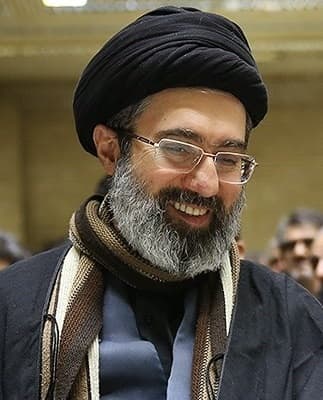
Mojtaba Khamenei
Mojtaba Hosseini Khamenei is an Iranian politician and Muslim cleric. The second eldest child of Ali Khamenei, the former supreme leader of Iran, Mojtaba Khamenei served in the Iran–Iraq War from 1987 to 1988, and also reportedly took control of the Basij that was used to suppress the protests over the 2009 election.
▶▼Show 1 more profilesShow less

Robert Malley
Robert Malley is an American lawyer, political scientist and specialist in conflict resolution, who was the lead negotiator on the 2015 Iran nuclear deal known as the Joint Comprehensive Plan of Action (JCPOA).
Critical Developments · 18
EXTREMEMiddle East Conflict Escalates with Military StrikesEXTREMEIsraeli Evacuation Orders in Beirut Ahead of Expected StrikesBeirutEXTREMEDisplacement in Lebanon as Strikes IncreaseSouthern LebanonEXTREMEUS and Israeli Bombardment Destroys Parts of TehranTehranEXTREMEGlobal Leaders Concerned Over Escalating Middle East ConflictMiddle EastCRITICALIsrael Threatens Strikes in Lebanon as Crisis EscalatesUnknownCRITICALKim Jong Un Oversees Missile Launch Amid Military ModernizationNorth Korea CRITICALSuccession Controversy Following Khamenei's DeathCRITICALSituation of Hostages in Gaza Remains DireGaza
 CRITICALLebanon Conflict Risks Strengthening Hezbollah's PositionCRITICALGlobal South condemns US-Israeli war with IranGlobal South
 HIGHMiddle East Conflict Enters Critical Phase with International ImplicationsMiddle East
 HIGHIsrael Expands Evacuation Warnings in Southern BeirutBeirutHIGHIranian artists in exile call for peace amid warParisHIGHFormer US Envoy Calls Iran War 'Unjustified'HIGHIsraeli Statements on International Law and The Rules-Based OrderGazaHIGHUS Oil Crisis Benefits Amid War on IranGulf RegionHIGHIranian Artists Respond to War's Impact
Other Developments · 1