Briefings
Dispatch #5MARCH 5, 2026·17:40–18:00 UTC·1 min read
Global Crisis Briefing · 18:00 UTC
Iran's drone attacks on Gulf nations escalate in response to continued U.S. and Israeli military strikes, which target Iranian military assets. Civilian fatalities exceed 1,230 in Iran, prompting severe retaliatory threats from Tehran. In Lebanon, forced evacuations occur amid heightened Israeli operations against Hezbollah. The international community, including the EU, condemns Iran's actions while U.S. support for Kurdish forces raises geopolitical stakes. The situation remains fluid with significant implications for regional and global stability.
18
events
76
avg impact
8
critical+
10
sources
Via France 24
 BBC World News
 Deutsche Welle News
 EuroNews English
 The Hindu International
 NPR World
 TASS English
 The Moscow Times
 Al Jazeera
 Wall Street Journal World
Iran launches drone attacks against Gulf nations as U.S. and Israeli strikes continue within its borders. The military engagement has expanded, with significant operations reported targeting Iranian military assets. Civilian casualties rise sharply in Iran, with current estimates surpassing 1,230 fatalities from the ongoing conflict. Tensions escalate as Iran threatens severe retaliation against potential U.S. invasions.
In Lebanon, Israeli military operations against Hezbollah intensify, prompting a forced evacuation order for the Dahiyeh area in Beirut that affects hundreds of thousands. Israel's representative to the U.N. asserts the need to dismantle Hezbollah's presence to ensure national security.
Simultaneously, U.S. support for Iraqi Kurds to potentially attack Iran has drawn scrutiny, reflecting a broader regional conflict that includes various international reactions. The European Union condemns Iran's military actions, expressing solidarity with Gulf nations amidst growing geopolitical tensions. The situation remains volatile, as analysts warn of exacerbating humanitarian crises and significant repercussions for global oil markets.
Reports indicate that Israel has issued warnings to those attempting to enforce international law regarding the Gaza crisis, further complicating the already tense dynamics. Hostages from the recent Gaza conflict show signs of trauma upon their release, highlighting the human impact of ongoing violence. The conflict's escalation raises concerns over stability in the region, as diplomatic avenues for a ceasefire remain elusive amidst mutual hostility.
This briefing was generated by AI based on aggregated event data. It may contain errors, omissions, or misattributions and has not been editorially reviewed. Learn more
Sentiment Distribution
Escalating 12Stable/Unknown 5De-escalating 1
Impact Distribution
Extreme
3
Critical
5
High
8
Elevated
2
Key Personalities
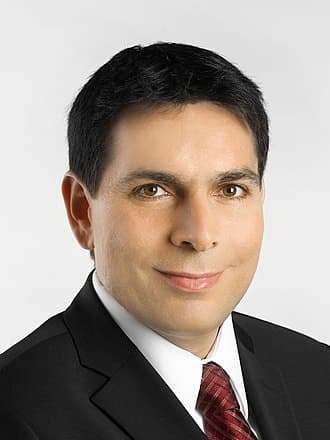
Danny Danon
Danny Danon is an Israeli politician and diplomat serving as Israel's Ambassador to the United Nations since 2024, and previously from 2015 to 2020. A member of the Likud party, he served in the Knesset from 2009 to 2015 and from 2022 to 2024. The former leader of the world Betar organization, Danon was elected Chairman of the World Likud. Considered a "right-wing thorn in Netanyahu's side", Danon challenged Benjamin Netanyahu for the party's leadership in 2007 and 2014.

Trump
Donald John Trump is an American politician, media personality, and businessman who is the 47th president of the United States. A member of the Republican Party, he served as the 45th president from 2017 to 2021.
▶▼Show 3 more profilesShow less

Robert Malley
Robert Malley is an American lawyer, political scientist and specialist in conflict resolution, who was the lead negotiator on the 2015 Iran nuclear deal known as the Joint Comprehensive Plan of Action (JCPOA).

Giorgia Meloni
Giorgia Meloni is an Italian stateswoman and politician who has served as Prime Minister of Italy since October 2022. She is the first woman to hold the office and the head of the third-longest government in the history of the Italian Republic. A member of the Chamber of Deputies since 2006, she has been president of the right-wing to far-right party Brothers of Italy (FdI) since 2014, and was president of the European Conservatives and Reformists Party from 2020 to 2025.
Donald Trump
Donald John Trump is an American politician, media personality, and businessman who is the 47th president of the United States. A member of the Republican Party, he served as the 45th president from 2017 to 2021.
Critical Developments · 16
EXTREMEMiddle East conflict intensifies with attacks on IranIranEXTREMEUS and Israel Expand Military Engagement in Middle EastEXTREMEIntensifying Military Conflict Between Iran and AlliesAzerbaijanCRITICALForced Evacuations in Beirut as Tensions EscalateBeirutCRITICALIsrael Vows to Dismantle Hezbollah Presence Amid TensionsBeirutCRITICAL‘Our children were sold off’: The South Africans sent to fight Russia’s warUkraineCRITICALUS's Strategic Position on Iran Amid Ongoing ConflictUnknownCRITICALEU's Response to Iranian Military ThreatsBrusselsHIGHWhile US encourages Kurds to attack Iran, history serves darker warningIranHIGHCritiques of the US-Israel war on IranIranHIGHReleased Israeli Hostages Show Signs of Trauma from Oct. 7 AttackIsraelHIGHIsrael puts a target on the back of the rules-based orderIsraelHIGHMen 'lured' into fighting in the Ukraine war say Africans were subjected to worse treatment on the front linesUkraineHIGHSalute replaces silence for Iran after 'message from home'IranHIGHRenewed violence may strengthen Hezbollah's resistance narrativeLebanonHIGHItaly and Allies Back Saudi Arabia's Fighter-Jet ProgramSaudi Arabia