Briefings
Dispatch #6MARCH 5, 2026·18:00–18:20 UTC·2 min read
Global Crisis Briefing · 18:20 UTC
Nigeria battles severe criminal violence, raising human rights concerns. Meanwhile, the Middle East sees escalating U.S. and Israeli military operations against Iran, with regional implications. In Lebanon, Israel's actions against Hezbollah result in widespread evacuations. Diplomatic tensions arise between the U.S. and Spain following condemnations of military actions. China increases military spending in response to U.S. pressures, amid growing global complexities.
15
events
81
avg impact
9
critical+
12
sources
Via The New Humanitarian
 France 24
 NZZ International
 New York Times World
 Al Jazeera
 Al-Monitor
 Middle East Eye
 Deutsche Welle
 El País English
 TASS English+2 more
Severe criminal violence continues to escalate in Nigeria, with death tolls surpassing those from the ongoing jihadist insurgency. This violence raises significant human rights concerns and challenges the state’s response capabilities. Meanwhile, the Middle East conflict intensifies as U.S. and Israeli military actions against Iran widen. Analysts report increased military activity following the strikes that began earlier this week, suggesting a deepening regional conflict involving Lebanon and Iraq's Kurdish territories. Tensions continue to rise with experts warning of potential long-term instability and geopolitical repercussions.
In Lebanon, Israeli military operations against Hezbollah prompt further evacuations in and around Beirut. Israel’s UN representative emphasizes the need to dismantle Hezbollah's military capabilities to ensure security, as evacuation orders expand to new suburbs, affecting many civilians. Israel remains poised for increased military actions against perceived threats along its borders.
On the diplomatic front, the U.S. faces scrutiny from Spain after the latter condemned American military actions in Iran. This friction highlights the broader geopolitical implications affecting international relations.
China is responding to U.S. pressures by increasing its military spending and focusing on bolstering national defense initiatives. In this rapidly shifting landscape, the situation remains fluid as stakeholders navigate complex geopolitical challenges with implications for global security and humanitarian issues. As the conflict unfolds, the international community continues to react, reflecting the interconnected nature of contemporary global crises.
This briefing was generated by AI based on aggregated event data. It may contain errors, omissions, or misattributions and has not been editorially reviewed. Learn more
Sentiment Distribution
Escalating 12Stable/Unknown 3
Impact Distribution
Extreme
3
Critical
6
High
6
Key Personalities

James Luckey-Lange
Diane Luckey, known professionally as Q Lazzarus, was an American singer. She is best known for her 1988 song "Goodbye Horses", which became a cult classic after being prominently featured in a scene from Jonathan Demme's 1991 film The Silence of the Lambs. Several of her songs were featured in other films directed by Demme before she disappeared from the public eye in the mid-1990s.

Donald Trump
Donald John Trump is an American politician, media personality, and businessman who is the 47th president of the United States. A member of the Republican Party, he served as the 45th president from 2017 to 2021.
▶▼Show 2 more profilesShow less

Eyal Zamir
Eyal Zamir is an Israeli military officer who is the current Chief of the General Staff of the Israel Defense Forces, having taken office on 5 March 2025. Zamir previously served as the Director-General of the Israeli Ministry of Defense (2023–2025), as Deputy Chief of Staff between 2018 and 2021, commander of the Southern Command, Military Secretary to the Prime Minister, commander of the 36th Division and commander of the 7th Armored Brigade.
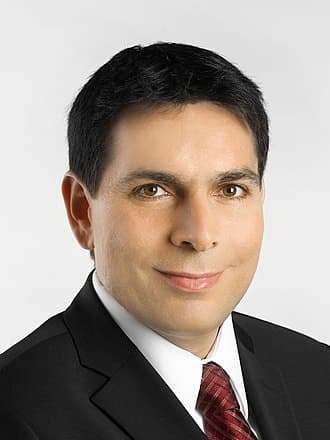
Danny Danon
Danny Danon is an Israeli politician and diplomat serving as Israel's Ambassador to the United Nations since 2024, and previously from 2015 to 2020. A member of the Likud party, he served in the Knesset from 2009 to 2015 and from 2022 to 2024. The former leader of the world Betar organization, Danon was elected Chairman of the World Likud. Considered a "right-wing thorn in Netanyahu's side", Danon challenged Benjamin Netanyahu for the party's leadership in 2007 and 2014.
Critical Developments · 15
EXTREMECriminal Violence and Human Rights in NigeriaNigeriaEXTREMEEscalation of War in the Middle EastMiddle EastEXTREMEVenezuelan Detention Account Highlights Human Rights AbusesVenezuelaCRITICALUS War on Iran Escalates Amidst WarningsUnknownCRITICALDiscussion on US-Iran tensions and potential military actionCRITICALIran war: America’s Shame and the Continuing Ruination of a RegionUnknownCRITICALIran Conflict Strains U.S.-Spain RelationsCRITICALIsrael's Military Strategy Against IranIsraelCRITICALIsrael's Stance on Hezbollah: Threats and EvacuationsBeirutHIGHStabbing at Berlin Holocaust Memorial: A Legal OutcomeBerlinHIGHSri Lanka Is Caught in the Middle as Second Iranian Vessel Seeks Safe HavenSri LankaHIGHCuba's economic challenges amid US blockadeHavanaHIGHBerlin Holocaust Memorial Stabbing Highlights Growing TensionsBerlinHIGHChina's Military Strategy in Response to U.S. PressureHIGHNepalese general election after political unrestNepal